Whole-person approach
There are no ‘IBS herbs’ or ‘skin herbs’. I look at every body system and your full history to find the imbalances behind your symptoms.
Herbal medicine
Herbal medicine is safe, gentle and powerful. Your prescription is made from whole plants, blended for you, and adjusted at every visit as you get better.
Free, no obligation. Consultations from £240 + VAT. See fees
20+ years in practice
Member of the National Institute of Medical Herbalists
IFM Certified Practitioner
Why it’s different
There are no ‘IBS herbs’ or ‘skin herbs’. I look at every body system and your full history to find the imbalances behind your symptoms.
Plants contain hundreds of compounds that work together. Using the whole herb, not a single extract, keeps that natural balance and reduces side effects.
Several herbs are combined in one prescription so they work in synergy. It’s blended at the end of your consultation and changes as you do.
An example
Meadowsweet contains salicylic acid, a relative of aspirin that on its own can irritate the stomach lining. But the whole plant also contains polyphenols that protect and heal the stomach, so herbalists actually use meadowsweet to help heal ulcers.
This is why a prescription from a qualified medical herbalist is very different from buying over-the-counter herbal extracts.
Your medicine
Mostly organic herbs, biodynamically grown or sustainably wildcrafted. Ready the same day, so you can start straight away.
Questions
We agree your priority health issues and a plan to tackle them. I’ll give you an idea of how long treatment may take, anywhere from a few weeks to several months depending on your condition.
If tests such as bloods are needed, they can be done at the clinic. You’ll leave with your medicine ready to start.
Often yes, but some herbs and medicines don’t mix. That’s why it’s important to see a qualified herbalist rather than buying herbal extracts over the counter. I’ll check everything you’re taking.
Yes, with the right guidance. Please don’t buy over-the-counter remedies. A qualified herbalist can advise which herbs are safe and how to take them, and can help after the birth too, from stretch marks to colic and nappy rash.
Yes. I see patients from newborns to people in their 90s. For babies and young children, always consult a qualified herbalist rather than self-prescribing.
For people with a terminal illness, herbal medicine can still play a valuable supportive role, improving comfort and quality of life.
In depth
Jean explains how herbal medicine works, and why the whole plant matters.
The human body has an innate ability to heal itself, and plant medicine has been used for thousands of years to help achieve this. Most people are aware of the traditions of Chinese medicine and the long history of these medicines, but we in the Western world have an equally long tradition of using Western herbal medicines, dating back almost 2,000 years.
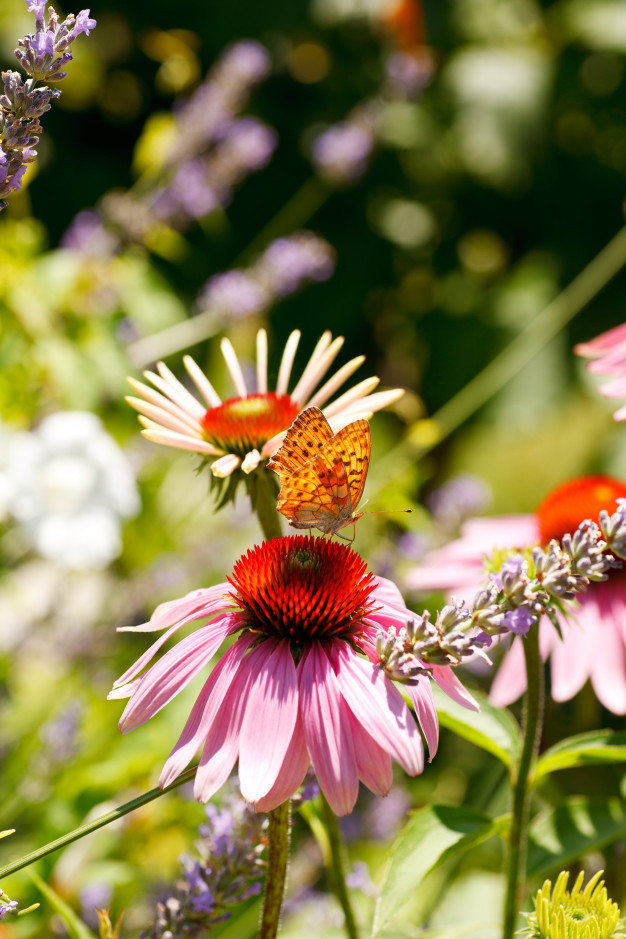
Echinacea
Unlike drugs, though, we do not treat conditions. We don’t have asthma herbs or IBS herbs or skin herbs. That kind of approach has evolved through the modern use of drugs for specific conditions. Instead, the medical herbalist looks at the whole person, system by system, taking into account their full case history and seeking out the imbalances, weaknesses and deficiencies. Each system feeds into other systems, and working with only one area of the body tends to treat symptoms and be unsuccessful in the long term.
We then use herbal medicine to heal, repair and restore balance as much as possible. Plants with a particular affinity for certain organs or systems of the body are used to “feed” and repair the parts that have become weakened. As the body is strengthened, so is its ability to fight off disease, and when balance is restored, health can be regained.
Most herbalists use polypharmacy: multiple herbs in one bottle, addressing the whole patient at the same time, because every system in the body is connected.
“The whole is greater than the sum of its parts”
This is called synergy, where two or more constituents work together to produce a result that none of them could achieve on their own. It is a fundamental principle of traditional herbal medicine: combining different herbs enhances their overall action.
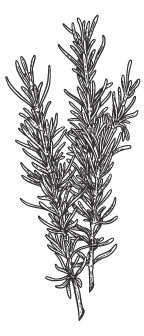
Medicinal plants contain hundreds, if not thousands, of unique constituents, so we always use whole herbs rather than extracts or isolated “active ingredients”. This keeps the plant’s natural balance and helps avoid side effects or adverse reactions. Herbs have thousands of years of safe use in their whole form, and their synergy lets us restore balance in the body, gently but powerfully.
Example 1
Meadowsweet contains salicylic acid, which is closely related to aspirin. On its own, this compound can cause bleeding from the stomach wall (ulceration, a well-known side effect of aspirin). But meadowsweet also contains polyphenols, which protect and heal the stomach. Used as a whole plant, it is actually used to help heal stomach ulcers.
Example 2
A study looking for the single “active” ingredient in 14 Vietnamese medicinal plants found berberine to be the most active antimalarial constituent. However, flavonoids found in the same plants slowed microbes’ resistance to berberine. Remove the flavonoids, and the plant could become ineffective as microbes become resistant, which matters greatly given today’s problem with antibiotic-resistant infections.
Source: Synergy in herbal medicines, part 1 (Association for the Advancement of Restorative Medicine)
It is vital that herbal medicine is used in whole plant form. Anything less than this is not true herbal medicine.
This is the difference between self-prescribing over-the-counter herbal “extracts” and having a qualified medical herbalist make up an individualised, therapeutically targeted, synergistic and accurate prescription.
And the beauty of it is that it is person-specific and can change at every consultation. As the patient changes, so does the prescription. It is a beautiful, safe, dynamic and powerful form of medicine.
Welcome to the wonderful world of plant medicine.
Jean Dow
Book a free 15-minute call and we’ll work out the best next step together.
Free, no obligation. Consultations from £240 + VAT. See fees