Hormones
Every woman goes through it, yet it’s still talked about in hushed tones. How herbal medicine can ease menopause symptoms.
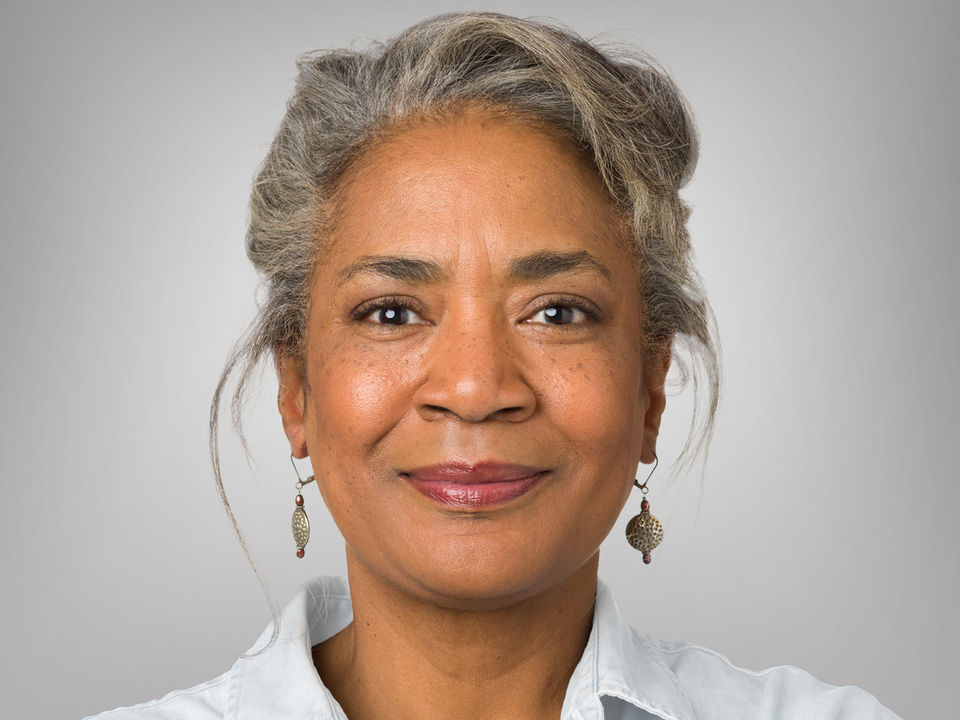
Jean Dow
Medical Herbalist & Functional Medicine Practitioner
All women go through the menopause, but it’s usually talked about in hushed tones, and you may feel too embarrassed to raise it with friends. The average age is 51 in the UK, though it can start anywhere between 45 and 55.
Your friends may be going through it at the same time, yet menopause can feel strangely lonely. Hot flushes, low mood, insomnia, mood swings and poor concentration can leave you feeling vulnerable, as if your body is out to get you.
So what can you do? As tempting as it might be to hibernate for a few years, you have family and friends who count on you, a career, charity work, or a dog that needs walking. You don’t want to give up on what could be your most rewarding years. This is where a herbalist can help.
01
Menopause begins when your ovaries wind down. Since your first period, they’ve released an egg each month and produced most of your oestrogen, which regulates your cycle.
Oestrogen does far more than support reproduction. It also regulates fat storage, insulin sensitivity, liver function, brain health, bone strength, heart health and healthy skin.
Menopause is not an illness, just a new stage in your life.
Some symptoms can be troubling, but there are ways to manage perimenopause and menopause and see it as a transition. Not all the changes in your body are bad.
02
If you’re struggling, you may be considering hormone replacement therapy (HRT). HRT replaces some lost oestrogen, usually alongside progesterone to reduce the risk of womb cancer. It can relieve symptoms, but in my experience as a herbalist it also has drawbacks:
There are alternatives, and natural, personalised ways to manage coming off HRT without feeling like your life has ended.
03
A herbalist can help you support the menopause and the changes it brings. Opposing those changes, or masking symptoms with medication, often isn’t the answer. A good herbalist gives you tools to support this natural process, while also supporting your liver and adrenal glands.
Every treatment plan is different; the herbs that suit you may not suit someone else. They aren’t meant to be taken forever, just to support your body through this stage. Menopause also isn’t constant. It can fluctuate month to month, and a medical herbalist can adapt your prescription as your body changes.
Herbs have eased menopausal symptoms for thousands of years. Research is limited, because most funding goes to pharmaceuticals, but herbalists have extensive clinical experience of how well they work. We blend 6 to 8 herbs in one medicine to treat the whole person, not just individual symptoms.
If you have a history of hormonal cancer, never take herbs for menopause symptoms without consulting a herbalist first. I don’t recommend self-medicating with herbs that promote hormone production, as it may cause further problems.
In practice, I broadly see two types of menopausal patient:
For hot flushes, herbs such as Humulus lupulus (hops), Cimicifuga racemosa (black cohosh) and Salvia officinalis (sage), at the right dose for you, can reduce their impact. Achillea millefolium (yarrow) can help limit night sweats, and Asparagus racemosus (shatavari) can help with hot flushes, night sweats, brain fog and even vaginal dryness.
For mood changes, Melissa officinalis (lemon balm), Avena sativa (oats), Scutellaria lateriflora (skullcap) and Hypericum perforatum (St John’s wort) can be effective. Please note you can’t take Hypericum alongside prescribed medication.
An NIMH-accredited herbalist can also prescribe and supply certain restricted herbs. Atropa belladonna is notorious as a poison, but in tiny amounts it can be used therapeutically to reduce night sweats and hot flushes, and many of my patients love the effect.
04
It’s possible to go through menopause without HRT, and without feeling you’re losing your grip on life. Symptoms can be managed naturally, to the point where you can celebrate this new stage. With the help of an experienced herbalist, safe remedies used for thousands of years can make a real difference.
Keep reading
Herbal medicine
7 Sep 2026
2 min read
Read →
Brain health
18 Aug 2026
2 min read
Read →
Herbal medicine
10 Aug 2026
2 min read
Read →
This article is for general information and isn’t a substitute for personal medical advice. Please don’t start or stop any medication without speaking to a qualified practitioner.
Book a free 15-minute call to talk about your health and whether Jean can help.
Free, no obligation. Consultations from £240 + VAT. See fees