Gut health
You eat plenty of fibre, drink water and even eat fermented foods, but something still isn’t right. How herbal medicine can help.
Jean Dow
Medical Herbalist & Functional Medicine Practitioner
You do everything right. You eat plenty of fibre, drink water, and even eat fermented foods. But something’s not right with you: embarrassing diarrhoea, constipation or stomach cramps. Or perhaps your stomach feels fine, but you’re tired, low on energy and frazzled.
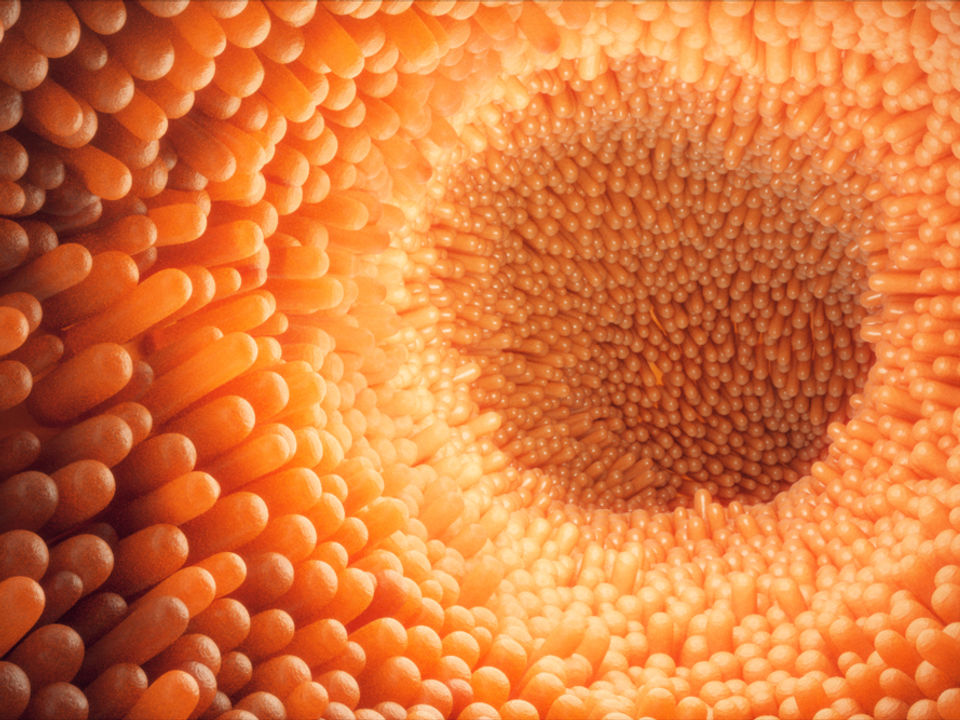
One of the keystones of your health is a happy gut. And it’s not just your gut that needs to feel good. Your gut microbiome needs to be content as well.
01
“Microbiome” has become a buzzword, appearing on supplements and even skincare. A microbiome is a colony of microorganisms living on a host: a mini ecosystem of trillions of bacteria, viruses and fungi. You host several, with the largest in your mouth, on your skin and in your gut.
These microbes are your friends. They perform tasks crucial to good health, and in return they get a comfortable home and a steady supply of food. Your gut microbiome supports digestion by:
When the microbiome is out of balance (dysbiosis), beneficial bacteria can’t keep harmful microbes in check. This can lead to nutrient deficiencies, damage to the gut wall and, ultimately, poor health throughout the body.
02
A gut test shows whether your microbiome is healthy, or whether opportunistic bacteria are playing havoc with your health. Dysbiosis is linked to conditions such as small intestinal bacterial overgrowth (SIBO) and intestinal permeability (“leaky gut”). Both can trigger autoimmune disease by increasing inflammation in the gut and throughout the body.
I use comprehensive DNA stool analysis through labs such as Genova and Invivo. As well as mapping your microbiome, these tests check important markers of overall gut health. Although I treat with traditional herbs, I’m a great believer in modern testing to pinpoint and personalise your treatment.
All of this, and more, from a single sample.
03
Once we have your results, we build a treatment plan. My aim is first to remove pathogens (bacteria, yeast and parasites), then heal the gut by reducing inflammation and repairing the gut wall. A personalised approach lets us target specific bacteria with specific herbs, without attacking the entire microbiome with antibiotics.
Herbs have eased digestive symptoms for thousands of years. But self-medicating can give mixed results and sometimes make symptoms worse. You are unique, and you need an expert to guide you.
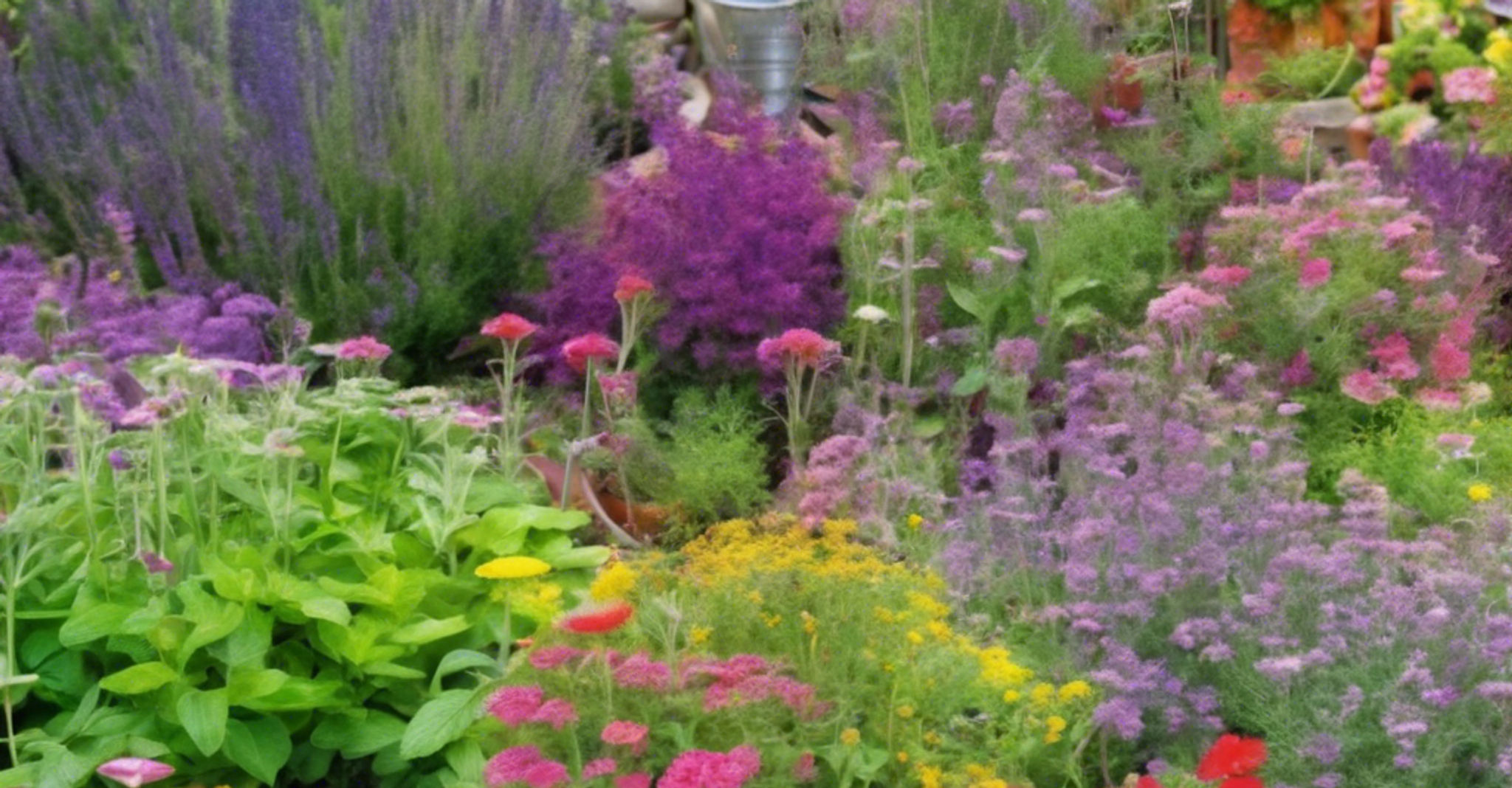
For healing and repair, I like flowering plants such as Calendula, Dioscorea and members of the daisy family (particularly chamomile). Ulmus fulva (slippery elm), Althaea (marshmallow) and Foeniculum vulgare (fennel) also help repair the gut.
Applying old, traditional remedies, backed by cutting-edge science to pinpoint your exact needs: there’s never been a more exciting time to get tested and treated.
If you’re looking for relief from gut symptoms, or a deeper understanding of what’s driving your autoimmune condition, a herbalist can be a wonderful guide.
Keep reading
Herbal medicine
7 Sep 2026
2 min read
Read →
Brain health
18 Aug 2026
2 min read
Read →
Herbal medicine
10 Aug 2026
2 min read
Read →
This article is for general information and isn’t a substitute for personal medical advice. Please don’t start or stop any medication without speaking to a qualified practitioner.
Book a free 15-minute call to talk about your health and whether Jean can help.
Free, no obligation. Consultations from £240 + VAT. See fees